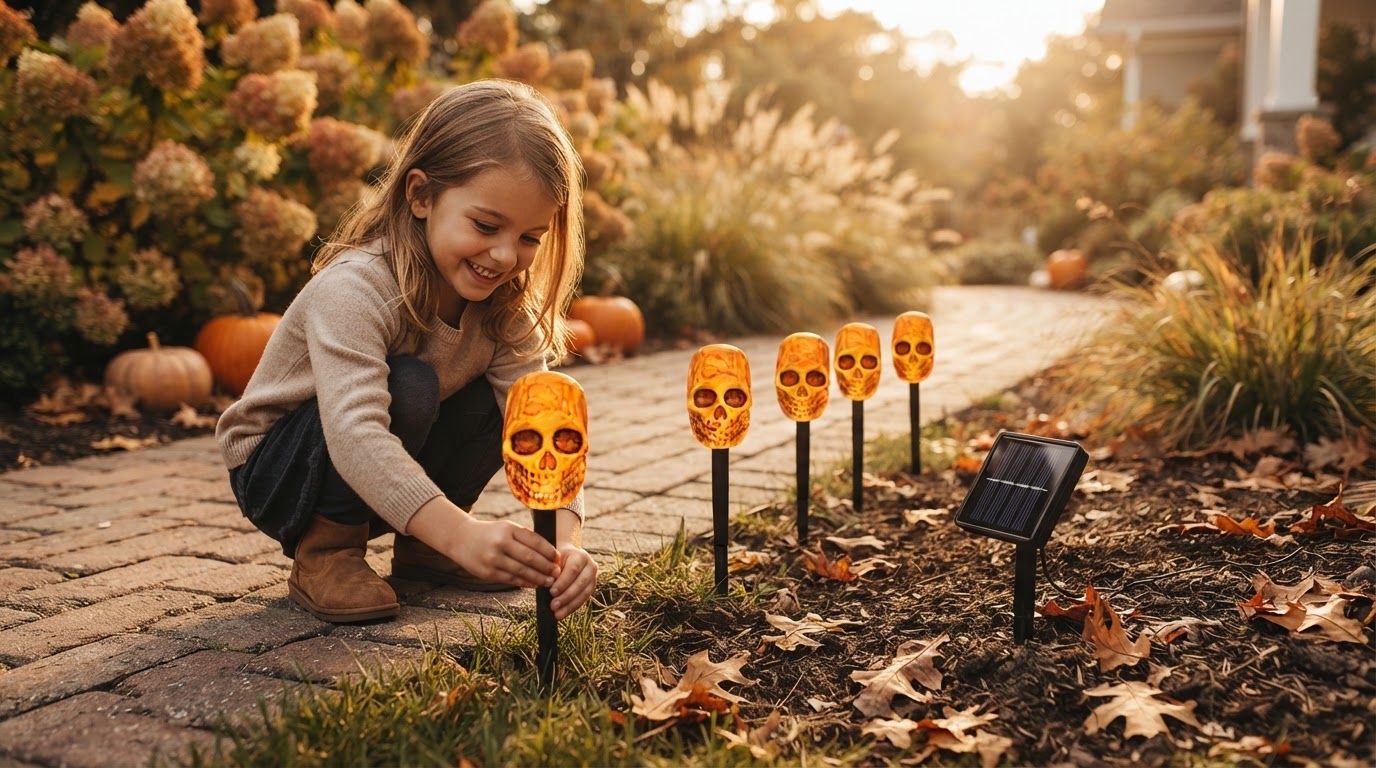
How do I set up solar powered skull path markers?
 Jordan HaleStaff Writer
August 21, 2026 — Installing Solar Skull Stakes effectively requires positioning the integrated monocrystalline panels in direct sunlight for at least six hours to ensure the LED components maintain a consistent glow throughout the night.
Homeowners often seek a balance between a haunting aesthetic and reliable functionality when lining driveways or garden paths. The first thing I noticed was the weight of the stakes; they felt substantial enough to pierce through the dry, late-summer soil without the plastic snapping. I keep coming back to the idea that these markers serve a dual purpose: providing safety illumination while leaning into the macabre spirit of the season.
Where is the best placement for Solar Skull Stakes?
Direct sunlight exposure is the primary requirement for placing Solar Skull Stakes to ensure the internal batteries reach a full charge before dusk. It turns out that even partial shading from overhanging eaves or decorative shrubs can reduce the light duration by several hours. When I pushed the first stake into the ground near my porch, I made sure the solar cell was angled away from the house to catch the afternoon sun. Proper spacing is equally critical; keeping them approximately three to four feet apart prevents the light from overlapping too much, which preserves the individual silhouette of each skull. For those concerned about longevity in varied climates, [optimizing durability in Solar Skull Stakes](/blog/optimizing-durability-solar-skull-stakes) involves choosing locations with natural drainage to prevent water from pooling around the base during autumn rainstorms.
How do you maintain Solar Skull Stakes for the full season?
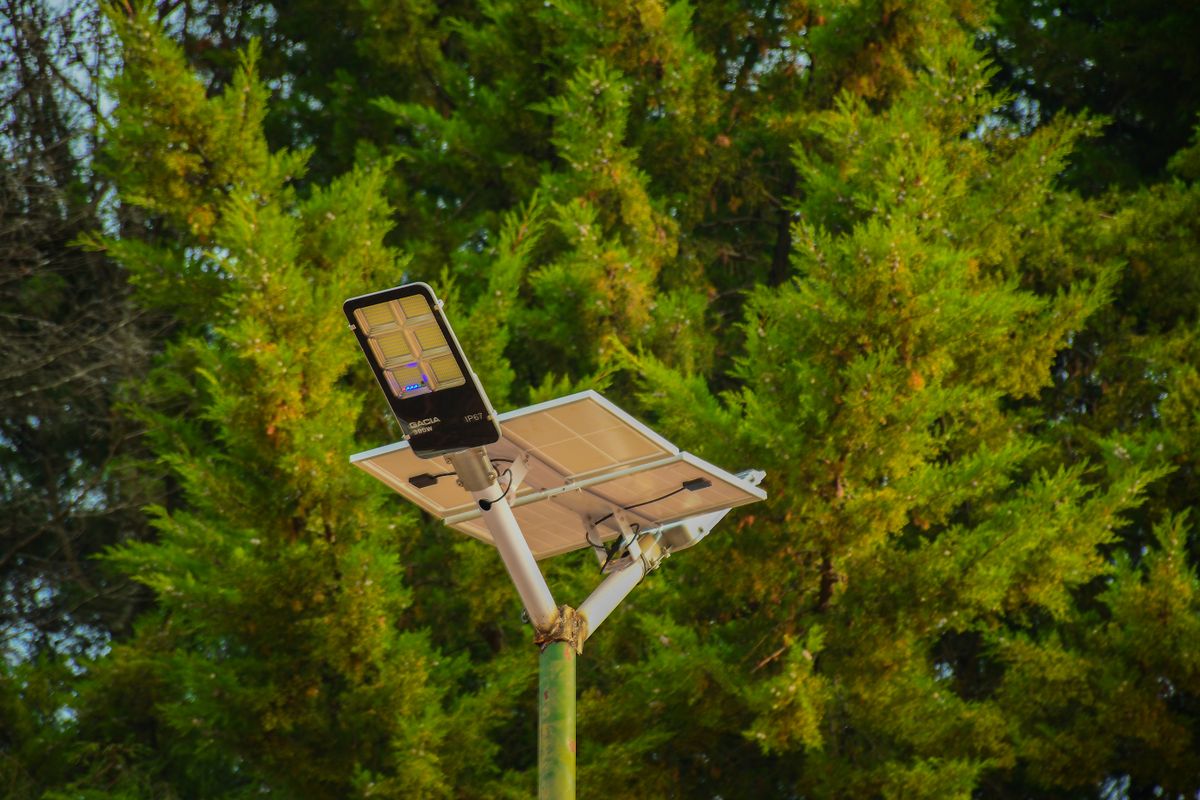
Photo by finix photographer on Pexels
Maintaining these markers involves regular cleaning of the solar panels and checking the ground stability as the weather transitions. Somewhere around week two, I noticed a fine layer of dust had settled on the skulls, which can significantly dim the light output if not wiped down with a damp cloth. Ensuring the stakes remain upright is also vital, as heavy winds can tilt the panels away from the sun's path. If you are integrating these into a larger display, such as outdoor solar halloween skeleton decor, you should verify that taller props do not cast shadows over the stakes. The internal circuitry is designed for seasonal use, but keeping the sensors clear of fallen leaves ensures the automatic dusk-to-dawn trigger functions correctly. This attention to detail is what allows [halloween skull pathway lights](/blog/how-solar-skull-stakes-improve-pathway-lights) to remain a focal point of the neighborhood throughout October.
Quick answers
Q: How long do Solar Skull Stakes stay lit on a full charge? A: On a standard charge of six to eight hours of direct sunlight, these stakes typically provide illumination for 8 to 10 hours. The duration may decrease during cloudy days when the solar cell cannot reach maximum capacity.
Q: Can Solar Skull Stakes withstand freezing temperatures? A: Most Solar Skull Stakes are rated for outdoor use in temperatures ranging from 32°F to 104°F. If a hard freeze is expected, it is recommended to move them to a garage to prevent the battery casing from cracking.
Q: How deep should the stake be driven into the ground? A: The stake should be inserted at least 4 to 5 inches into the soil to ensure stability against wind. If the ground is too hard, moistening the area with water first will prevent the stake from bending during installation.
Q: Do these lights require an external power source? A: No, Solar Skull Stakes are entirely self-contained and rely on a built-in rechargeable AA or AAA Ni-MH battery. They do not require wiring or proximity to an electrical outlet.
Learn more about Solar Skull Stakes at https://solyraskullstake.com.