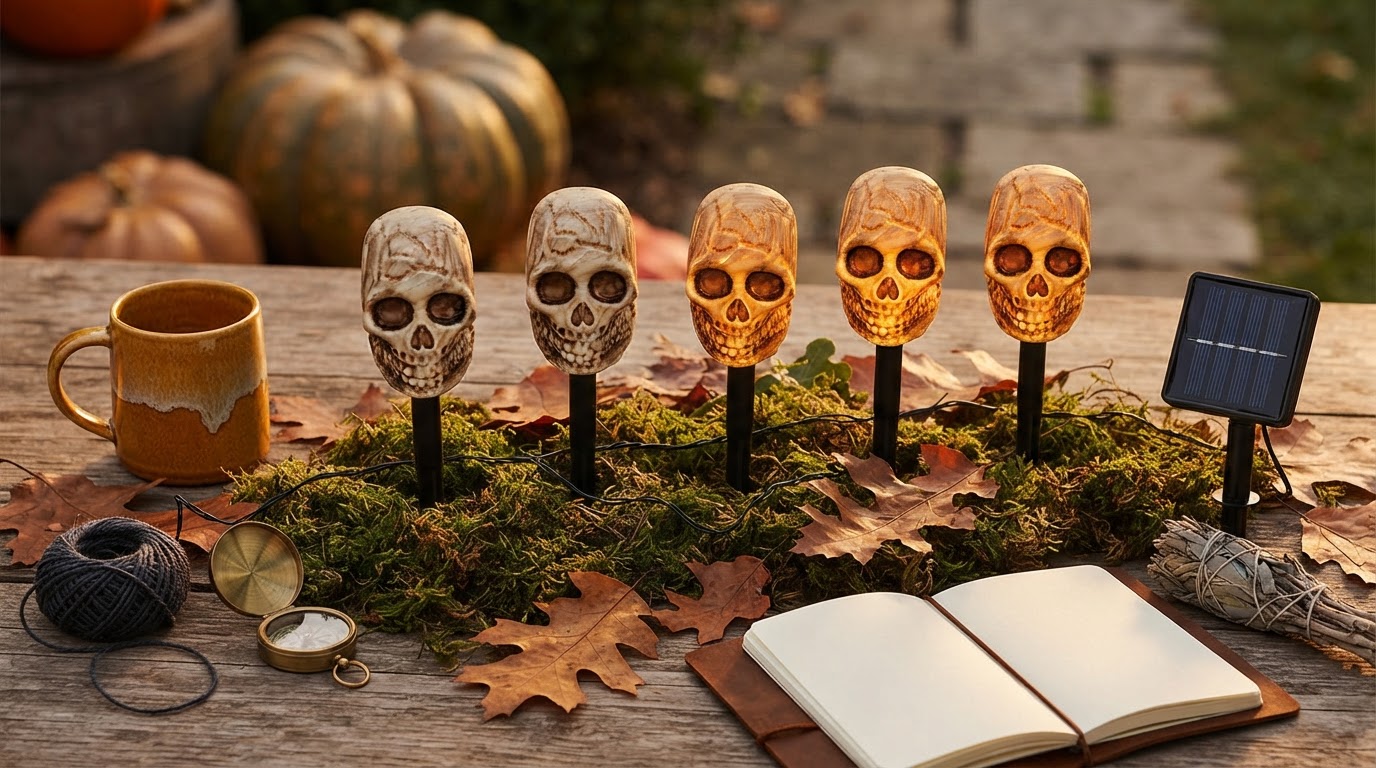
Solar Skull Stakes for Sustainable Seasonal Lighting
 Maya ChenContributing Editor
October 1, 2026. This technical analysis evaluates the performance and integration of solar skull stakes in modern residential landscapes. It is intended for consumers prioritizing efficient, autonomous outdoor lighting solutions during the autumnal season.
The Inefficiency of Conventional Seasonal Lighting
The conventional wisdom says that high-impact holiday displays require a tangle of extension cords and a significant spike in the October utility bill. This perspective ignores the rapid maturation of photovoltaic technology in small-form-class consumer products. According to product specifications from The Lakeside Collection, modern solar-powered LED stakes now provide a consistent eerie glow—specifically in spectral ranges like purple—without any reliance on the grid. The problem with traditional plug-in displays isn't just the energy draw; it is the physical limitation of cord lengths and the safety hazards associated with running high-voltage lines through damp grass. For those managing complex layouts, outdoor solar skull lights offer a modularity that wired systems cannot match. When you transition to solar powered skull garden lights, you eliminate the single point of failure inherent in daisy-chained incandescent strings. Here's the part nobody talks about: the lifecycle cost of cheap plastic wired decor is significantly higher when you factor in the inevitable degradation of thin copper wiring exposed to frost and moisture over multiple seasons.
Technical Integration of Solar Skull Stakes
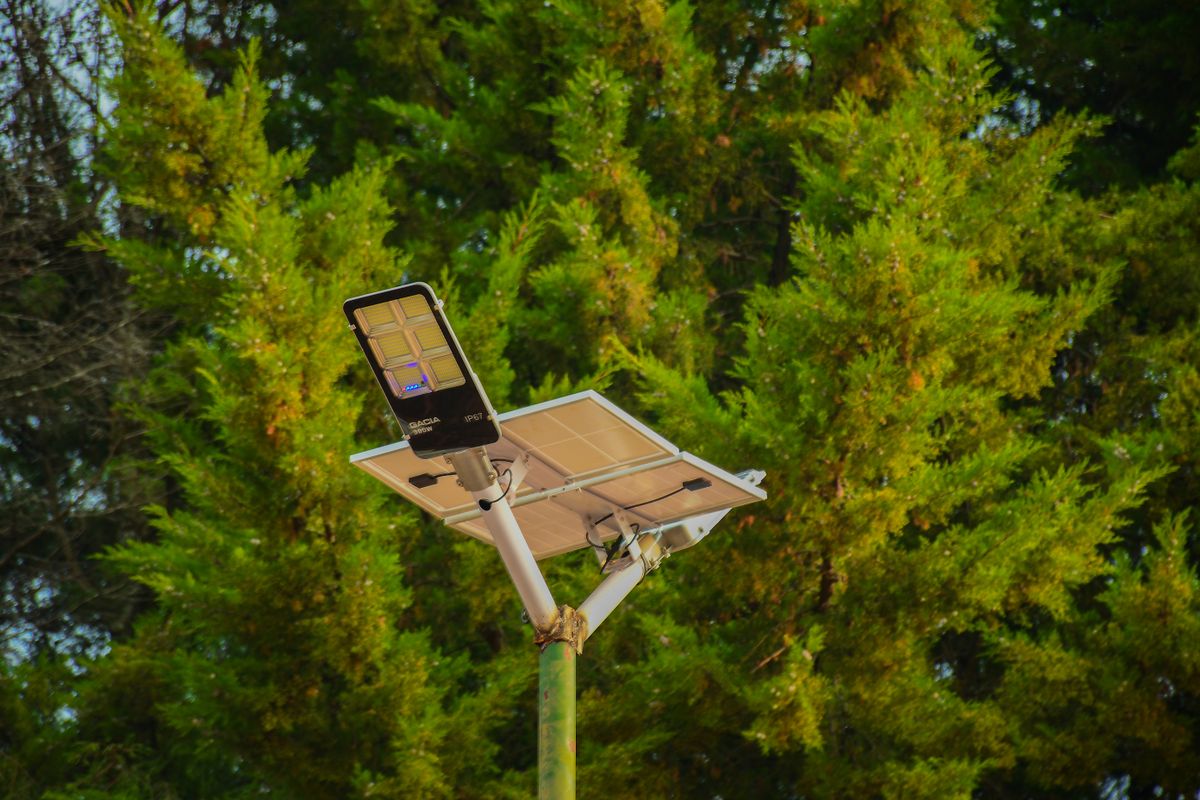
Photo by finix photographer on Pexels
Transitioning to solar skull stakes requires a shift in how we view garden placement. Unlike passive plastic ornaments, these are functional electronic devices that require strategic positioning to ensure a full charge. Modern units, such as those detailed by eBay sellers, utilize a simple two-part assembly where the skull and stake connect to a dedicated photovoltaic panel. This panel typically features a rear-mounted ON/OFF switch, allowing for battery preservation during storage. Run the math: a standard 14-inch stake, like those found in solar glowing skulls for yard configurations, needs approximately six to eight hours of direct solar exposure to maintain peak luminosity through the midnight hours. The internal Ni-MH or Li-ion batteries are designed for hundreds of charge cycles, making them a multi-year investment rather than a single-use disposable. Because these units operate independently, they allow for high-density clustering in remote areas of the property where electrical access is non-existent. This autonomy is why solar skull stakes have become the standard for perimeter marking and pathway definition. By utilizing solar powered skull garden lights in conjunction with taller outdoor solar skull lights, a layered lighting effect is achieved without a single watt of grid power.
Performance Evaluation and Selection Criteria
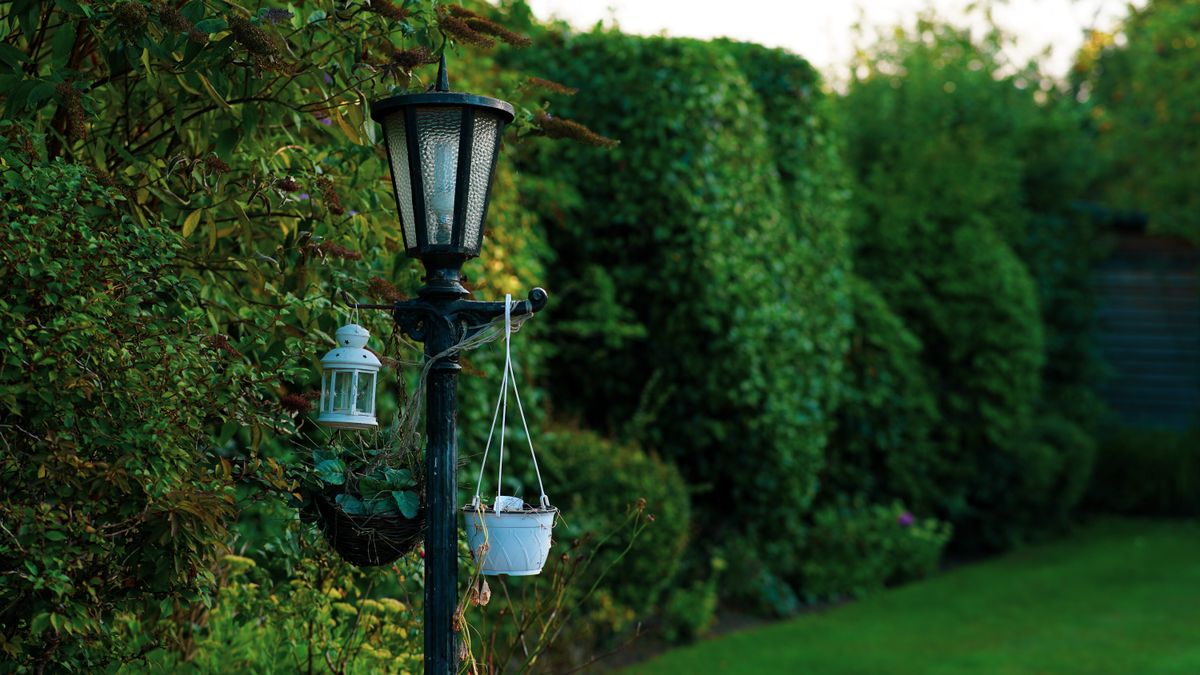
Photo by JINU JOSEPH on Pexels
When selecting a solar skull stake, the primary metric should be the height-to-luminosity ratio. Data from Gateway 4 Wellness indicates that a 14-inch height is the baseline for visibility above standard lawn growth. Anything shorter risks being obscured by grass or falling leaves, which directly impacts the charging efficiency of the integrated panel. Furthermore, the construction of the skull itself must be scrutinized; units like the Pumpkin Hollow 10-5/8 inch LED skulls utilize a weathered finish that maintains aesthetic value during daylight hours while the internal LEDs remain dormant. Before purchasing, consumers should evaluate their yard based on the following framework:
- Total Sun Exposure: Verify the installation site receives at least 6 hours of unshaded light.
- Stake Material: Ensure the spike is made of reinforced ABS plastic or metal to prevent snapping in hardened soil.
- LED Color Temperature: Decide between the realistic warm white of solar glowing skulls for yard or the thematic purples and greens.
- Weather Rating: Confirm the unit is rated for IP44 or higher to withstand October rain and frost.
- Auto-Sensor Functionality: Verify the presence of a dusk-to-dawn sensor for autonomous operation.