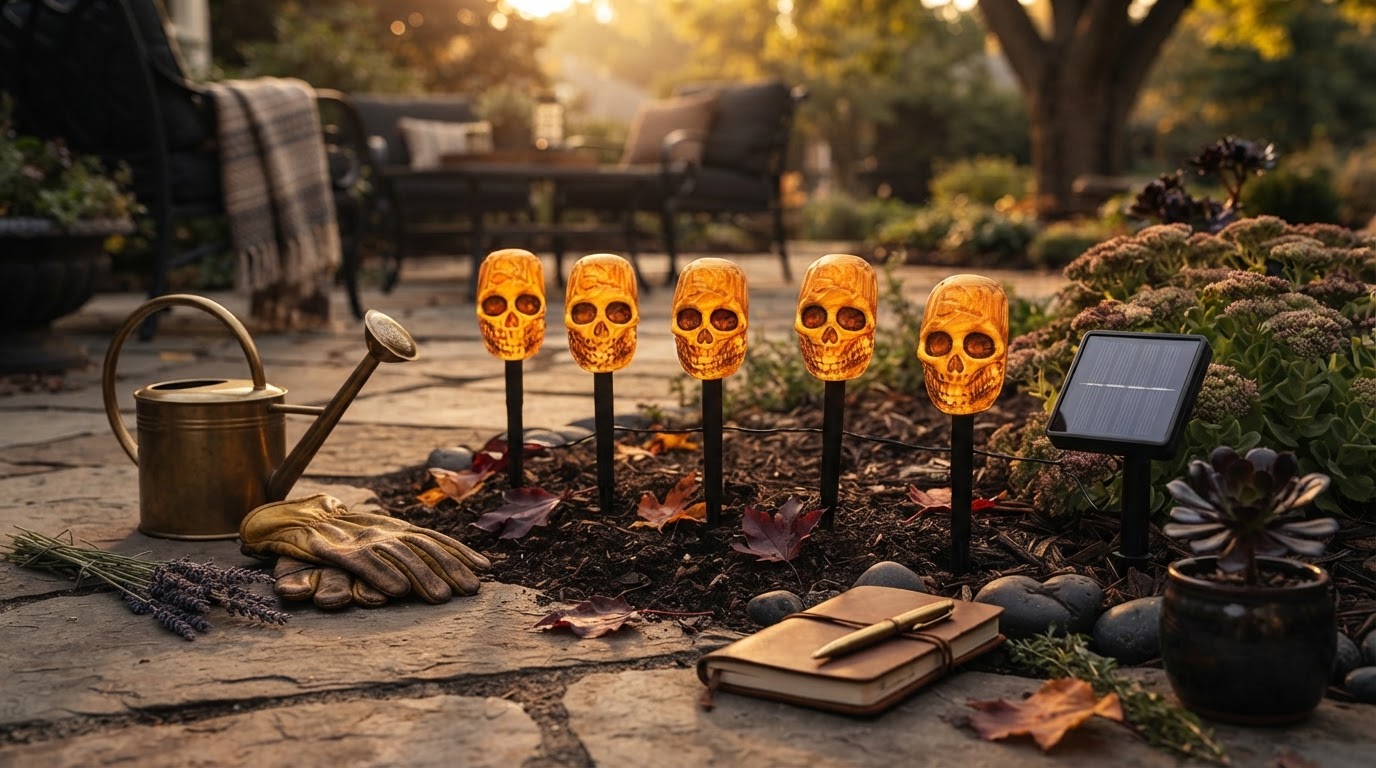
Solar Skull Stakes for Sustainable Gothic Landscapes
 Maya ChenContributing Editor
August 23, 2026. This technical assessment evaluates the integration of photovoltaic skull-themed illumination within modern residential landscapes. It is written for homeowners seeking to balance thematic aesthetic choices with energy-independent utility systems.
The Efficiency Gap in Seasonal Garden Illumination
The conventional wisdom says that decorative garden lighting is a seasonal luxury characterized by high maintenance and frequent battery replacements. However, this perspective ignores the shift toward high-efficiency monocrystalline silicon panels in small-scale consumer electronics. Most residential outdoor lighting setups fail because they rely on grid-tethered infrastructure that requires trenching or low-voltage transformers, both of which introduce significant failure points in damp environments. When evaluating waterproof solar skull decorations, the primary concern is not merely aesthetics but the IP (Ingress Protection) rating that prevents internal circuitry corrosion. The part nobody talks about is the parasitic drain inherent in many cheap LED controllers which can deplete a battery's cycle life in less than a single season. According to the International Dark-Sky Association, the move toward shielded, low-lumen outdoor lighting is essential for reducing light pollution, yet many consumers still opt for oversized, high-wattage floods that wash out the architectural nuances of their property. Transitioning to localized skeleton garden lights solar allows for a more controlled distribution of light that respects both environmental standards and the specific visual requirements of a themed garden.
Technical Integration of Solar Skull Stakes
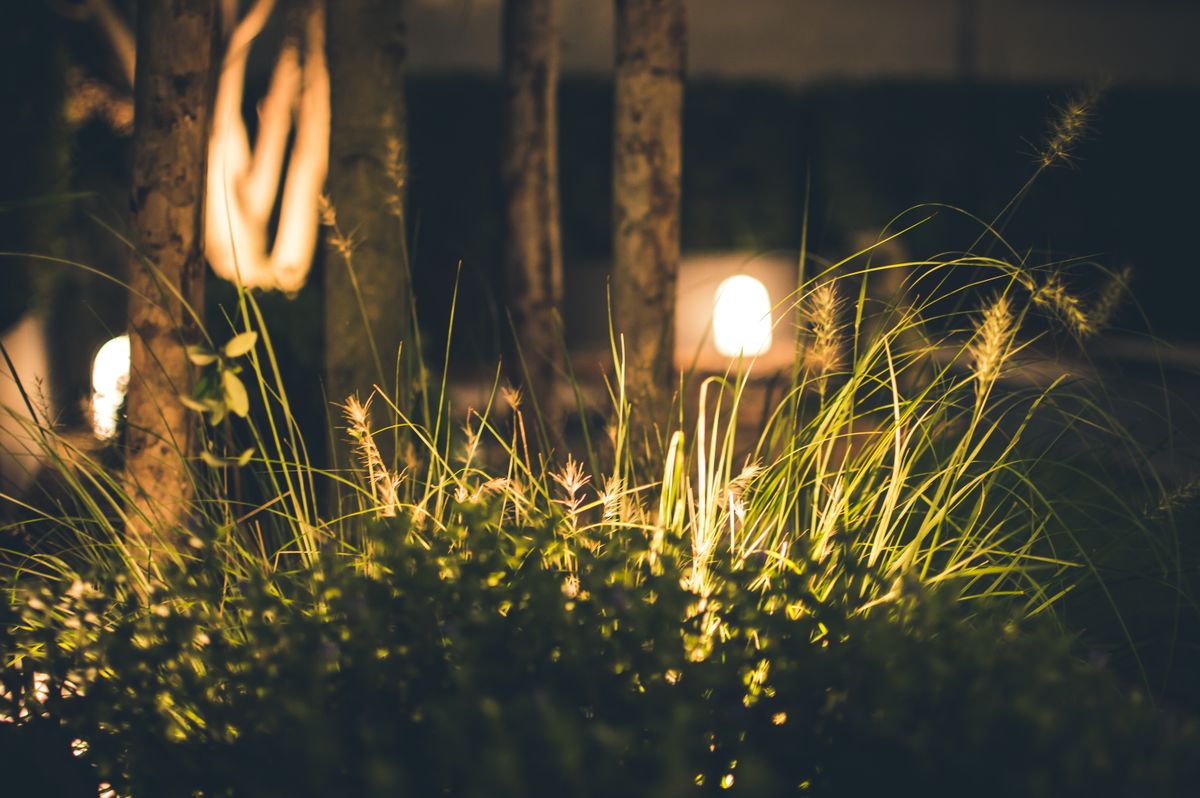
Photo by suzukii xingfu on Pexels
Solar Skull Stakes address the inefficiency of traditional decorative lighting by utilizing self-contained energy harvesting units that eliminate the need for external wiring. Unlike standard led skull landscape lighting which may require complex daisy-chaining, these stakes operate on an autonomous basis, using integrated photo-resistors to trigger activation at dusk. The physical construction typically involves a weather-resistant resin housing that protects the internal LED and Ni-MH battery from UV degradation. Run the math: a single stake equipped with a 600mAh battery can provide up to 8 hours of illumination after a standard 6-hour charge cycle in direct sunlight. This 1:1.3 charge-to-discharge ratio is superior to older thin-film solar technologies which often required 10-12 hours of light for a similar output. By placing glowing skull lawn ornaments in areas with high solar exposure, users can maintain a consistent lighting profile throughout the night without contributing to a monthly utility bill. The structural integrity of the stake itself is designed for ground insertion, bypassing the need for permanent concrete footings or specialized mounting hardware, which simplifies the process of reconfiguring the landscape layout as seasons change.
Strategic Deployment and Selection Framework
Photo by Jimmy Liao on Pexels
Selecting the appropriate solar lighting requires a move away from impulse purchasing toward a systematic evaluation of site-specific variables. The efficacy of these units is entirely dependent on the solar insolation levels of the installation site; placing a stake in deep shade will result in a failure to reach peak voltage. When planning a layout, one must consider the beam angle of the internal LED to ensure the light hits the intended target rather than scattering into the night sky. I'll change my mind when grid-tied systems can prove they offer lower lifetime costs than autonomous solar units for small-scale decorative applications, but until then, the data favors self-contained stakes. Use the following checklist to evaluate your site before installation:
- Calculate the average daily peak sun hours for your specific geographic location to ensure battery saturation.
- Verify the Ingress Protection (IP) rating to ensure the unit can withstand local precipitation levels.
- Assess the Kelvin temperature of the LED to ensure it matches existing landscape lighting (typically 2700K to 3000K for warm white).
- Map out stake placement to avoid overlapping light pools, which can diminish the visual impact of the skull silhouette.
- Ensure the solar panel surface is oriented toward the southern sky (in the northern hemisphere) for maximum irradiance.